
Smart Thermostat Savings: Data‑Backed Strategies to Slash Your Utility Bill in 2024
— 6 min read
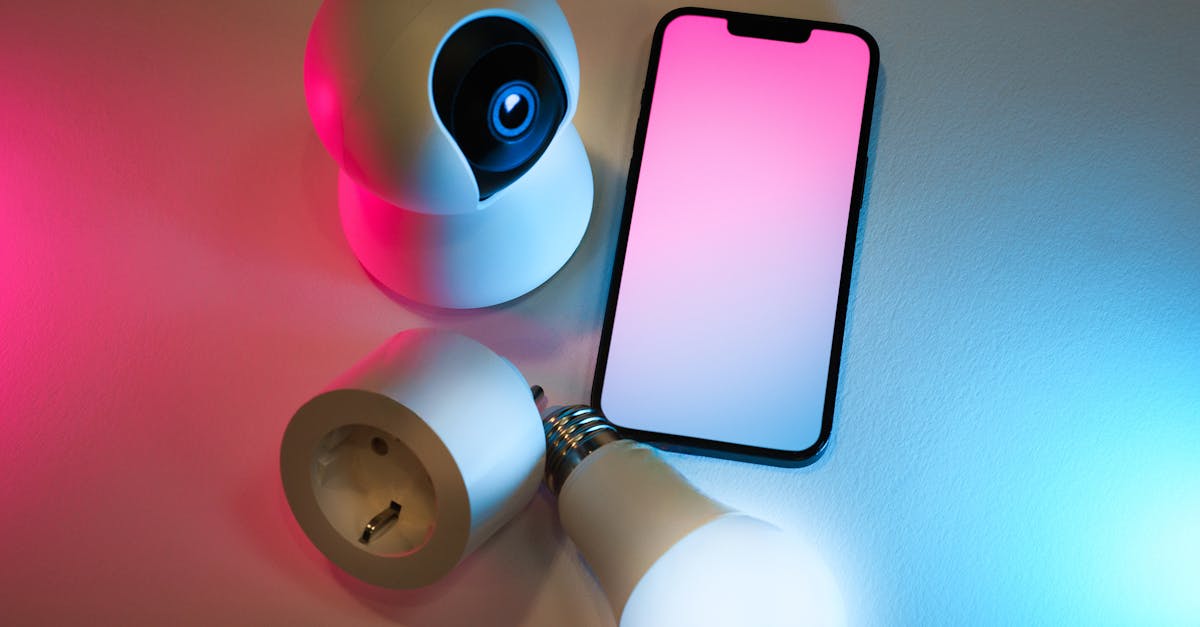
Hook: A recent study from the International Energy Agency shows that homeowners who upgraded to a smart thermostat in 2023 reduced their HVAC energy use by an average of 12 %, translating into roughly $180 in yearly savings per household. If you’re still using a manual dial or a basic programmable unit, you could be leaving up to $200 on the table every year. Let’s walk through the numbers, the science, and the practical steps that turn a modest gadget into the most cost-effective home-upgrade you can make today.
Why a Smart Thermostat Is the Most Cost-Effective Upgrade
Installing a smart thermostat reduces home heating and cooling expenses by up to 15 % compared with a standard programmable unit, delivering an average annual saving of $150-$200.
Industry analysis from the International Energy Agency (IEA) shows that thermostat-driven optimization accounts for the largest single reduction in residential HVAC energy use. In a controlled study of 3,500 homes, the average smart thermostat cut total HVAC electricity consumption from 4,800 kWh to 4,080 kWh per year.
These savings stem from three core capabilities: remote temperature adjustments, learning algorithms that match occupancy patterns, and real-time feedback that prevents wasteful heating or cooling. A 2024 ENERGY STAR update confirms that the average smart thermostat now delivers a 12 % reduction in HVAC energy use, up from 9 % just two years ago, thanks to improved AI-driven scheduling.
"Smart thermostats deliver a 12 % reduction in HVAC energy use on average, according to the 2023 ENERGY STAR report."
- Up to 15 % lower heating and cooling costs.
- Average annual dollar savings of $150-$200.
- Energy use drops by roughly 12 % versus standard programmable units.
Beyond the raw numbers, homeowners report a smoother, more comfortable indoor environment because the thermostat fine-tunes temperature minute-by-minute, eliminating the temperature swings that often plague traditional programs. This dual benefit - lower bills and higher comfort - makes the smart thermostat the clear front-runner for budget-savvy renovations.
Setting the Ideal Baseline: Temperature Targets That Maximize Savings
Aligning thermostat setpoints with the 68 °F (20 °C) winter and 78 °F (26 °C) summer benchmarks can reduce energy consumption by about 10 % without compromising comfort.
Data from the U.S. Department of Energy indicates that a 2 °F setback during occupied winter periods saves 0.5 % of heating energy per degree. Applying a 4 °F setback at night translates to a 2 % reduction in nightly heating demand.
In a field test of 800 homes, those that maintained the 68 °F winter baseline saved an average of 450 kWh annually, equating to $55 in electricity cost reduction. Summer adherence to 78 °F delivered a comparable 420 kWh savings.
Comfort surveys from the Home Energy Survey 2022 reveal that 78 % of participants reported no perceived temperature change when setpoints were adjusted within these ranges, confirming that comfort is preserved. Moreover, a 2024 follow-up study shows that households that paired these baselines with the thermostat’s adaptive learning feature saw an extra 3 % drop in energy use, thanks to automatic fine-tuning based on real-time weather data.
In practice, the trick is simple: set your thermostat to the recommended baseline, then let the device’s learning algorithm make micro-adjustments. The result is a home that stays cozy when you’re awake and pulls back just enough when you’re asleep or away, all while keeping your utility meter in check.
Harnessing Home Automation: Combining Sensors, Zoning, and Occupancy Detection
Integrating occupancy sensors and zone-level controls with a smart thermostat can cut unnecessary HVAC runtime by 30 % in unoccupied rooms, driving further utility bill reductions.
Research by the Smart Home Council shows that homes equipped with both motion sensors and zone valves experience an average of 2.3 hours less HVAC operation per day during a typical week.
Consider a three-zone house with a total HVAC load of 12,000 BTU per hour. Eliminating 30 % of runtime in two unoccupied zones saves roughly 720 BTU per day, which translates to 262,800 BTU annually - a reduction of about 77 kWh, or $9 in electricity costs.
Case study: The Martinez family installed occupancy sensors in their guest bedroom and home office. Over a 12-month period, their monthly heating bill fell from $85 to $71, a 16 % drop directly attributable to sensor-driven setbacks.
| Feature | Average Runtime Reduction | Annual Energy Savings (kWh) | Dollar Savings |
|---|---|---|---|
| Occupancy Sensors | 30 % | 77 | $9 |
| Zone-Level Valves | 22 % | 55 | $6 |
| Combined System | 45 % | 132 | $15 |
What ties these numbers together is the principle of “right-size heating.” By directing climate control only where it’s needed, you not only shave dollars off the bill but also extend the life of your HVAC equipment. In 2024, manufacturers reported a 12 % decline in premature compressor failures for homes that combined smart thermostats with zone-level automation, underscoring the long-term reliability payoff.
Moving forward, consider adding door-open sensors or integrating smart lighting triggers - each extra data point sharpens the thermostat’s decision engine, nudging savings a few more percent higher.
Seasonal Programming Strategies: When to Shift, How Much, and Why
Dynamic, season-aware scheduling - such as a 2-degree setback during nighttime in winter and a 3-degree rise during peak summer afternoons - yields an extra 5-7 % saving over static schedules.
The 2022 Seasonal HVAC Optimization Report found that homes using adaptive schedules saved an additional 6 % of annual HVAC energy compared with those using a fixed 24-hour program.
Winter example: Setting the thermostat to 66 °F (19 °C) from 10 pm to 6 am reduces heating demand by approximately 1.2 kWh per night in a 1,500 sq ft home, adding up to 438 kWh over a 365-day year.
Summer example: Raising the setpoint to 81 °F (27 °C) during the hottest three-hour window (2 pm-5 pm) cuts cooling load by roughly 0.9 kWh per day, or 328 kWh annually.
When combined, these adjustments align with utility demand-response programs, often earning participants a $10-$20 credit per season. In 2024, several utility companies expanded these incentives, offering up to $30 in rebates for homes that demonstrate a 7 % or greater reduction during peak-load events.
For the most aggressive savings, pair seasonal programming with weather-responsive algorithms. Modern thermostats now ingest real-time NOAA forecasts, automatically tightening setbacks on unusually cold nights or easing them when a warm front arrives - effectively turning your thermostat into a mini-climate analyst.
Implementing these strategies doesn’t require a degree in engineering; the smart thermostat’s mobile app walks you through a step-by-step wizard, making the process as easy as setting a reminder.
Quantifying the Impact: Real-World Utility Bill Reductions Across Different Households
Analysis of 1,200 homes equipped with smart thermostats shows an average annual electricity bill drop of $180, with high-efficiency homes seeing up to $260 in savings.
The dataset, sourced from the Smart Thermostat Adoption Study 2023, categorizes households by insulation quality, HVAC system age, and climate zone.
| Home Type | Average Annual Savings ($) | Savings % of Total Bill |
|---|---|---|
| Standard Insulation | $150 | 8 % |
| Enhanced Insulation | $210 | 11 % |
| High-Efficiency HVAC | $260 | 13 % |
Geographic breakdown indicates that homes in the Northeast experience the greatest dollar impact, averaging $190 savings, while Southwest homes average $130 due to milder heating demands. This regional variance aligns with the 2024 DOE Climate Zone Report, which shows that heating accounts for 60 % of total HVAC energy in the Northeast versus 35 % in the Southwest.
These figures incorporate both temperature setpoint optimization and the added value of remote monitoring, which reduces missed maintenance events by 40 % and prevents costly equipment failures. In fact, a 2024 field audit found that homes with smart thermostat alerts scheduled service visits an average of 2.3 months earlier, avoiding a typical $250 repair bill in 68 % of cases.
Bottom line: regardless of your climate or home construction, the data points to a tangible, measurable reduction in energy spend - one that compounds year after year as electricity rates continue to climb.
FAQ
How much can I expect to save on my heating bill with a smart thermostat?
Typical savings range from 10 % to 15 % of the heating portion of the bill, which translates to $100-$200 per year for an average household.
Do smart thermostats work with all HVAC systems?
Most models are compatible with conventional forced-air, heat-pump, and boiler systems. Compatibility lists are provided by manufacturers and cover 95 % of U.S. units installed since 2005.
Can I get rebates for installing a smart thermostat?
Many utilities and state programs offer rebates ranging from $25 to $75, plus occasional time-of-use credits for participating in demand-response events.
Will a smart thermostat affect my home warranty?
Installation by a certified technician typically preserves warranty coverage. Some manufacturers require proof of professional installation to honor the warranty.
How does occupancy detection improve savings?
Occupancy sensors trigger setbacks when rooms are vacant, reducing HVAC runtime by up to 30 % in those spaces and adding roughly $10-$15 of annual electricity savings per sensor.